Gathering Customer Data through Self-Ordering Kiosks
Wiki Article
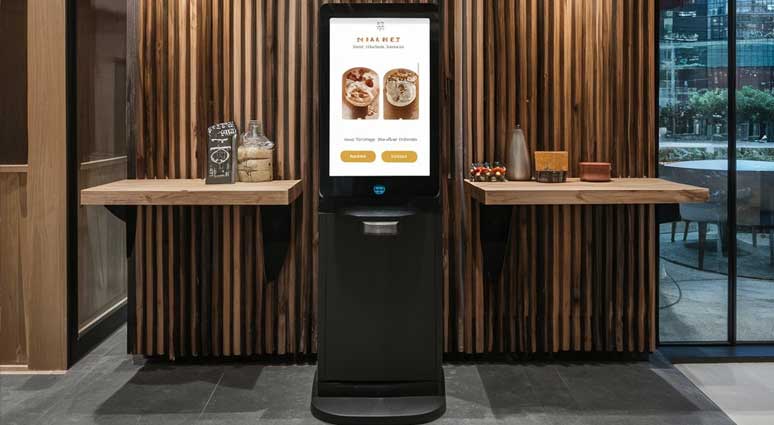
Self-ordering kiosks have quickly become a familiar sight in restaurants, cafés, food courts, and quick-service outlets. While most businesses adopt kiosks to speed up ordering and reduce queues, there’s another powerful benefit that often goes unnoticed: customer data.
When used smartly and responsibly, self-ordering kiosks help businesses understand customer behavior, preferences, and buying patterns—turning everyday orders into meaningful insights.
Why Customer Data Matters in the Food & Retail Industry
Today’s customers expect personalized experiences. Generic menus and one-size-fits-all offers no longer work. Customer data helps businesses:
Understand what customers order most
Identify peak hours and slow periods
Create targeted promotions and combo offers
Improve menu design and pricing strategy
Increase repeat visits and loyalty
Self-ordering kiosks collect this data naturally, without interrupting the customer experience.
What Kind of Data Do Self-Ordering Kiosks Collect?
Self-ordering kiosks gather valuable insights during the ordering process, such as:
Order Preferences
Kiosks track popular items, customizations, add-ons, and frequently ordered combos. This helps businesses fine-tune menus based on real demand.
Purchase Behavior
Data like order value, frequency, and time spent ordering reveals how customers interact with the menu and what influences upselling.
Time-Based Insights
Kiosks show peak ordering times, day-wise demand, and seasonal trends, helping businesses plan staffing and inventory more efficiently.
Customer Interaction Data
Touch patterns, navigation flow, and abandoned orders highlight usability issues and areas where the interface can be improved.
Loyalty & Repeat Customers
When integrated with loyalty programs or phone-number-based identification, kiosks help track repeat customers and reward them with personalized offers.
How Self-Ordering Kiosks Improve Personalization
Customer data enables kiosksto move beyond simple ordering screens. Businesses can:
Recommend items based on previous orders
Highlight favorite categories
Offer personalized discounts or meal upgrades
Display language and menu preferences automatically
This level of personalization not only increases order value but also makes customers feel understood.
Turning Data into Smarter Business DecisionsThe real value of kiosk data lies in how it’s used. Businesses can:
The real value of kiosk data lies in how it’s used. Businesses can:
Remove low-performing menu items
Promote high-margin products
Design better combo meals
Adjust pricing based on demand
Launch targeted campaigns during slow hours
Instead of guessing what works, decisions are backed by real customer behavior.
Data Privacy and Customer Trust
While collecting data is powerful, it must be done responsibly. Businesses should:
Clearly inform customers about data usage
Collect only relevant information
Secure data with proper encryption and access control
Follow local data protection regulations
When customers trust how their data is handled, they are more likely to engage with loyalty programs and personalized services.
Why Self-Ordering Kiosks Are a Data Goldmine
Unlike traditional counter orders, kiosks capture structured, accurate data automatically. There’s no manual entry, no miscommunication, and no lost insights. Every interaction becomes measurable.
This makes self-ordering kiosks not just a convenience tool—but a strategic asset for growth.
Final Thoughts
Self-ordering kiosks do much more than speed up service. They quietly collect valuable customer data that helps businesses improve menus, boost sales, and deliver personalized experiences.
For restaurants and retail outlets looking to stay competitive, investing in self-ordering kiosks isn’t just about automation—it’s about understanding customers better and serving them smarter.
Report this wiki page